Life Gets Bigger From Here.
Where pain science meets improv.
Understand your pain. Move again with confidence. Laugh a little (or even a lot) along the way.
Your nervous system can learn that movement is safe again.
6-Week Small Group Series | Starting May 13
Get My Ticket

Pain can make life feel smaller.
It changes how you move.
How you sleep.
How you show up in your life.
Many programs treat pain as something to manage.
This one treats it as something to understand and respond to with new actions.
When people understand how pain works and begin to experience safe ways to move again, something powerful happens: Fear drops. Confidence grows. Movement becomes possible again.
Let's set the scene.
You are welcomed into a small group of about 8–12 people.
We usually start seated, standing is welcome if that is more comfortable for you.
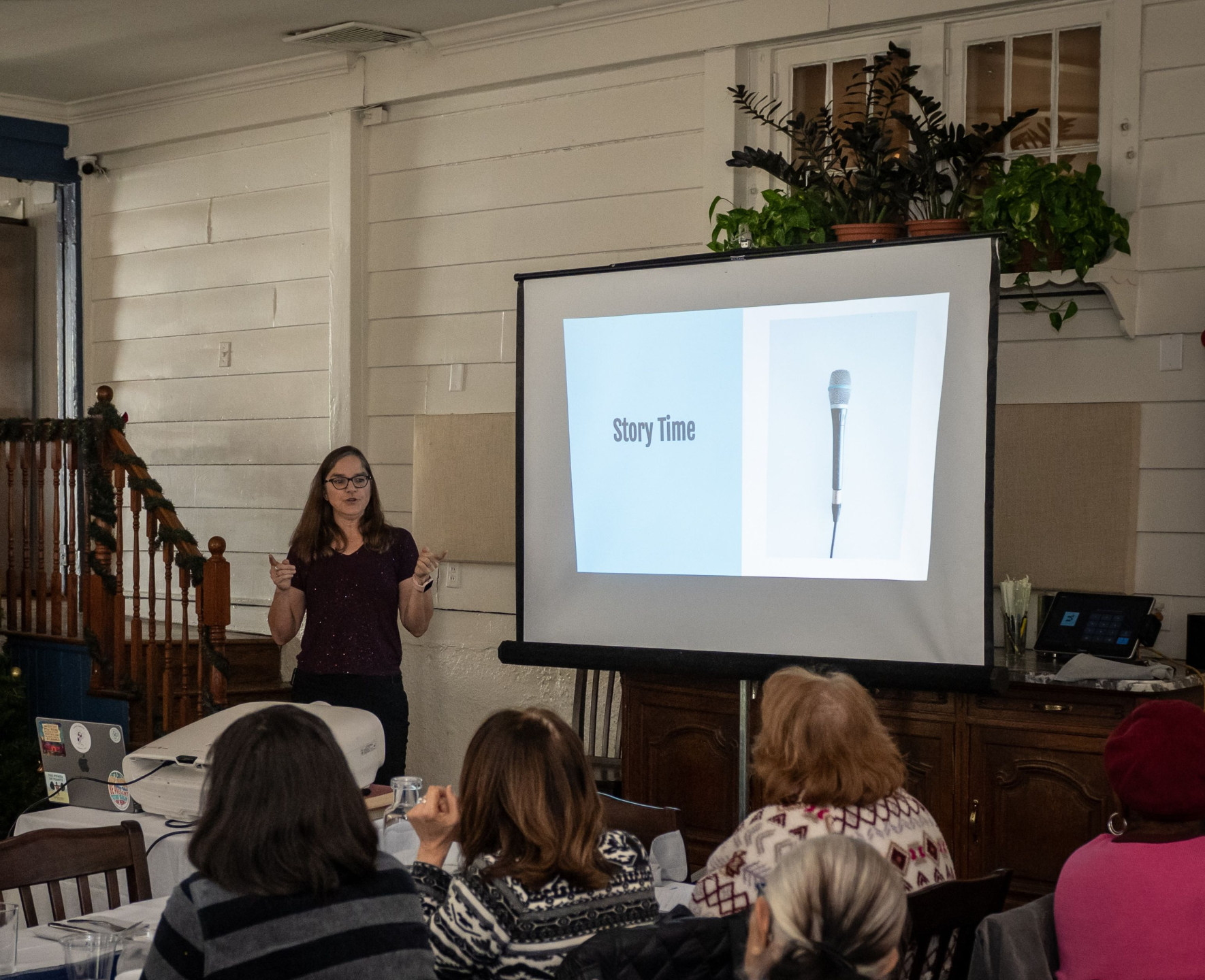
We begin by introducing a short idea about how pain works using simple, interactive stories from modern pain science.
Next, the group explores a few gentle improv exercises.
Nothing theatrical. Mostly curiosity about movement, posture, and interaction.
Everything is optional.
Everything is modifiable.
People usually laugh a little and often a lot!
And many leave saying the same thing: "That felt surprisingly safe."
Then the next week, you're back for another.
Each session follows the EMP Framework
Education
↓
A short concept from modern pain science.
Often shared through interactive stories that make complex ideas understandable and relatable.
Clear. Practical. No lectures.
Just insights that begin to change how you see and experience yourself.
Motion
↓
Motion is lotion.
Through guided improv exploration, you'll experiment with gentle movement, posture changes, and physical expression.
Nothing is forced.
Everything is modifiable.
The goal isn't performance.
It's helping your nervous system rediscover that movement can feel safe again.
Power Down
↓
Power down the nervous system.
Play, laughter, and connection help create safety for the nervous system.
This is where improv becomes powerful.
When the nervous system experiences safety, protection patterns can begin to soften.
And movement is possible again.

This is for you if...
→ Pain has been interfering with how you move or live
→ You're curious about a different approach to pain
→ Movement feels uncertain or intimidating
→ You're open to learning something new about yourself
This group is especially supportive for people whose pain is connected with stress, trauma history, or fear of movement.
No improv experience required.
Only curiosity.
This is not improv performance training.
This is not physical therapy treatment.
It is a science-informed group experience designed to help people explore movement, safety, and curiosity around pain.
$300.00
- Starts May 13
- 6 weekly sessions
- Wednesdays at 4pm
- A small group (8-12 people)
- A supportive environment to explore movement, curiosity, and connection
Meet your facilitator!
Jen Uschold, PT
Fellow of Pain Science
Physical therapist, pain science educator, and improv practitioner.
Jen combines modern pain neuroscience with improvisational exploration to help people rediscover safety, movement, and possibility in themselves.
Is there research supporting this approach?
Improv itself hasn’t been studied as a direct “pain treatment.” What is well-supported in Pain Neuroscience Education (PNE) research is combining education, movement (“motion is lotion”), and powering down the nervous system.
Improv for Pain is a structured way to bring those three research-supported strategies into one experience, while also leveraging play, laughter, and connection (which have their own supporting evidence).
How does education help ease pain?
Decades of Pain Neuroscience Education (PNE) research support teaching people how pain works often leads to less fear, more movement, less medical care, and better
function.
A key takeaway in modern pain science is that pain is an output of the brain and nervous system. Pain does not always equal tissue damage. Each session begins with a focused PNE theme, followed by guided improv exercises that help you explore and integrate that theme. Education is not just delivered, it’s experienced.
How does improv support movement?
Movement (motion is lotion) helps the body and nervous system through something very relatable: blood flow and circulation, and your nervous system loves blood flow and movement, which creates less sensitivity.
Improv supports movement because it invites:
● intentional choice to move
● position changes
● expressive physical exploration
● options to scale intensity and pace in the moment and as you choose
All activities are modifiable. No performance pressure. No pushing.
Is laughter actually helpful for pain?
Yes. Research links laughter, and humor with improvements in well-being, easing pain, and decreased stress levels. In PNE, humor can be an option to calm and power down the nervous system.
Laughter creates safety.