Pain is NO Joke™
Learn. Laugh. Live.
Science builds understanding. Play builds safety.
So do creativity. And education. And curiosity. And connection.
That's why we're putting them all together!
Pain Is No Joke™ is the first-of-its-kind group coaching program that combines modern pain science with creative strategies to treat pain.
Two ways to join
Virtually
$319 • Join from anywhere
Thursdays at 11am EST,
September 17th - October 22nd.

Pain makes life feel dull.
Fewer hobbies, outings, activities, & adventures. Less time laughing with your favorite people. Too many 'no's and 'maybe next time's.
And yet, many programs treat pain as something to manage, to deal with.
This one treats it as something to understand and respond to with new options.
When people understand how pain works and discover safety again, something important happens: Fear drops. Confidence grows. Movement becomes possible again.
Life finds it's way back in.
This is for you if...
→ Chronic pain is interfering with your life
→ You're curious about a different approach to pain
→ You are afraid or cautious with movement
→ You're open to learning something new
This series is especially supportive for people whose pain has been present for a long time, doesn't make sense, or comes and goes without pattern.
Ready to discover a different way to treat pain?
"When she invited me to try [the series], I expected to learn more about the connection between the brain and pain and to gain a few new tools for managing discomfort.
What I did not expect was how much fun it would be. Our group of six quickly felt at ease, and Jen made the experience enjoyable from the start. We played games that naturally incorporated lessons, so it never felt like a lecture. It also was not like a forced leadership retreat where you worry about saying or doing the wrong thing.
It was a great experience!"
Here are some specifics:
• We include 6 sessions in this series. Every Tuesday for 6 weeks, we meet in person as an intentionally small group for coaching.
• Each session will include: education on how pain works, interactive exercises that train flexible thinking, gentle movement through games and activities, and time to chat with other people who get it.
• This isn't a series of lectures. This series is designed to help you get curious about pain, alternative strategies, and your nervous system.
• Everything we do is optional and modifiable.
• Two things you can expect to get out of this series are laughter and understanding.

This series was designed using the EMP framework
Education
↓
Research shows that learning about pain reduces the intensity and frequency of pain.
That's why each session begins with pain education around modern pain science and strategies.
We use interactive stories to make complex ideas understandable and relatable.
Motion
↓
Motion is lotion. Movement gets blood flowing and calms nerves down.
No workouts! Just interactive activities that invite gentle movement, all within your control.
Our goal is to teach your nervous system that movement can feel safe again.
Power Down
↓
Powering down the nervous system. Rediscovering safety.
For many people, persistent pain indicates an overprotective nervous system.
Movement, laughter, and connection help to calm the nervous system, re-teaching it to feel safe.
"Jen has an amazing way of helping us learn how pain works."
- K
"Jen has such a novel approach to dealing with pain."
- Tanya
Meet your facilitator!
Jen Uschold, PT
Fellow of Pain Science
Physical Therapist, pain science educator, and improvisational practitioner.
Jen combines modern Pain Neuroscience Education with improvisational exploration to help people rediscover safety, movement, and possibility in themselves.
More about Jen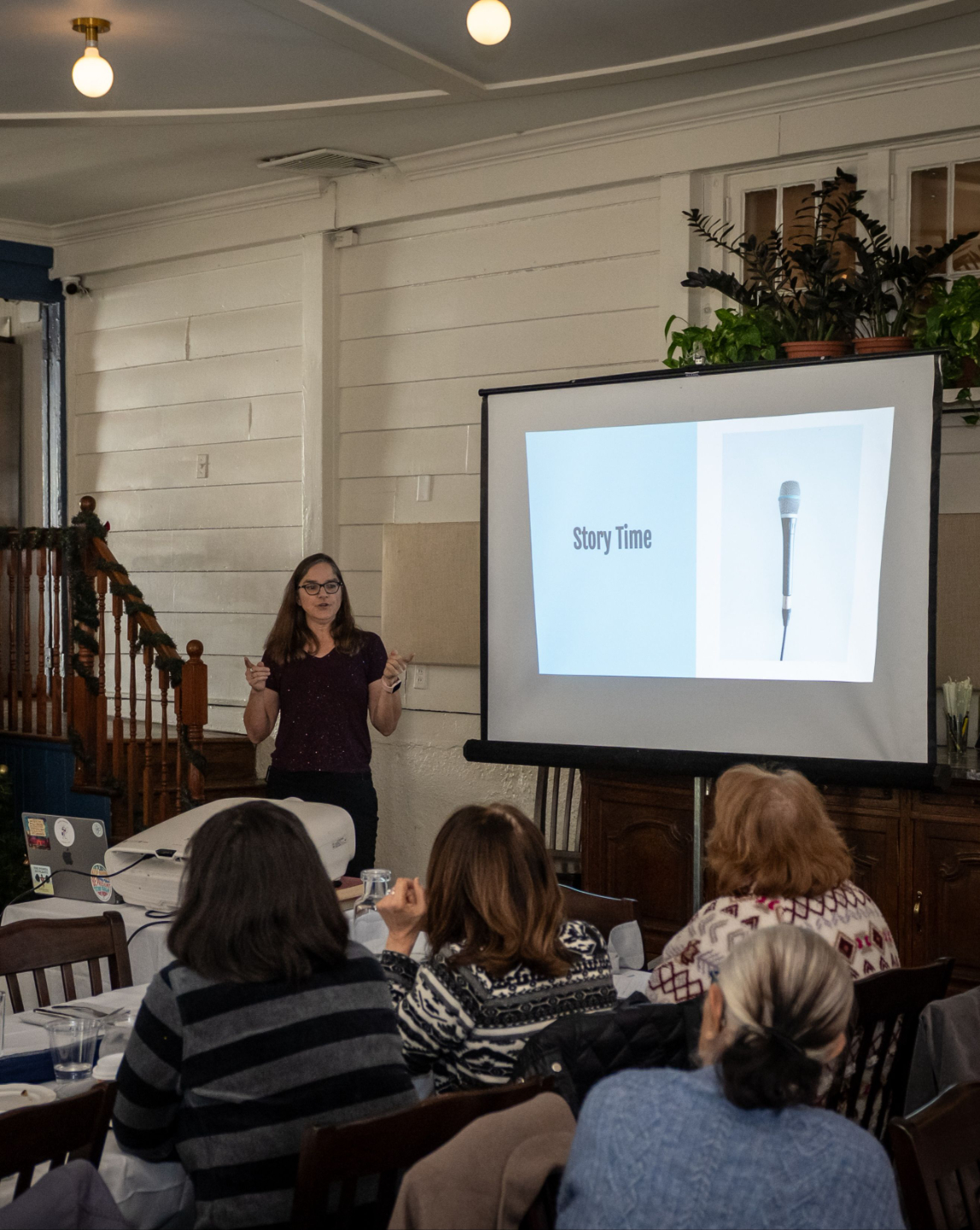
This series is not just another treatment to test out or a program that asks you to push through.
It's a structured, science-informed experience.
It's designed to shift how you understand pain, how you relate to movement, and how your nervous system responds - all changes that research shows make a real difference.
It is intentionally capped at 12 participants to ensure everyone is comfortable and learning remains possible.
Not available for this September series?
Join the waitlist here to be notified about the next start date: